Lana Rey Casting in Budapest: Pierre Woodman Meets the Russian Actress in 2016
Written by PornGPT
On February 21, 2016, Russian actress Lana Rey arrived in Budapest for a casting session with French director Pierre Woodman. What followed was a long conversation about confidence, ambition, camera presence and the realities of entering an unfamiliar branch of the movie industry.
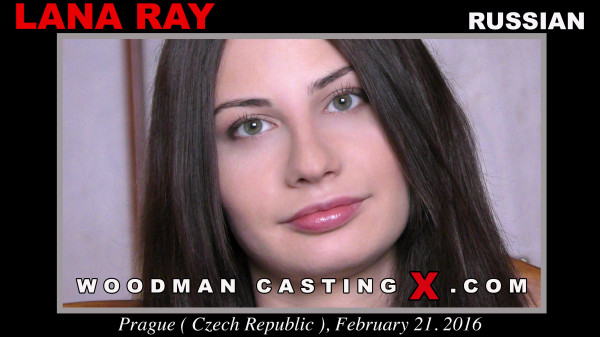
Visit Woodman Casting X and watch this scene!
Lana Rey Arrives in Budapest for Her February 2016 Casting
Budapest in February has a particular atmosphere. The days are short, the streets can feel almost monochrome under the winter sky, and the cold follows visitors from the pavement into hotel lobbies and apartment buildings. On February 21, 2016, Lana Rey stepped into that setting for a meeting that could potentially influence the next stage of her career.
The Russian actress had come to meet Pierre Woodman for a casting session, joining the long list of performers who had travelled to the Hungarian capital to sit in front of his camera.
The first minutes were deliberately simple.
Woodman preferred conversation before performance. The camera might already be recording, but the objective was initially to understand the person sitting opposite him.
“Hello, Lana.”
“Hello.”
“How are you feeling?”
“A little nervous.”
“A little?”
Lana laughed.
“Maybe more than a little.”
“That is normal. First casting?”
“Like this, yes.”
“So you don’t know what to expect.”
“Exactly.”
“That can sometimes be better.”
“Why?”
“Because you react naturally. You don’t arrive with a prepared character.”
Lana adjusted herself in the chair and smiled.
“I prepared answers.”
“That is already dangerous.”
She laughed again.
“Then I will forget them.”
“That is much better.”
The joking helped reduce the tension.
Woodman began with basic questions about her background, where she came from and what had motivated her to travel to Budapest.
“You are Russian?”
“Yes.”
“Where did you grow up?”
“In Russia. I moved around a little, but Russia is home.”
“And Budapest?”
“My first time.”
“What do you think?”
“Beautiful. Very cold.”
Woodman smiled.
“You came in February.”
“I know. Bad planning.”
“Or good planning. You stay inside and work.”
“That was perhaps the secret plan.”
As the conversation continued, Lana’s initially cautious answers became longer.
She explained that she was interested in discovering how professional productions operated. Like many newcomers, she had heard stories about castings but had little idea what actually happened when the door closed and the interview began.
“So what did you imagine?” Woodman asked.
“I thought maybe you ask five questions.”
“Five?”
“Yes.”
“And then?”
“I don’t know.”
“Then goodbye?”
“Maybe.”
“That would be a very short casting.”
Lana smiled.
“So there will be more than five questions.”
“Probably.”
“How many?”
“Until I understand who Lana Rey is.”
“That could take a long time.”
“I have time.”
The exchange set the rhythm for the session.
Rather than treating the casting simply as an audition, Woodman approached it as a filmed conversation. He wanted to know whether Lana could remain relaxed while the camera continued rolling, whether she could listen naturally and whether her personality would remain visible once the initial nervousness disappeared.
The atmosphere recalled the more conversational style seen during Sofia Like’s Budapest casting earlier that same month, where the interview itself became an important part of understanding the performer.
For Lana, however, the challenge was very much her own.
“Do you notice the camera now?” Woodman asked.
“Yes.”
“Always?”
“Almost always.”
“That means you’re still thinking about it.”
“Yes.”
“Forget it.”
“Very easy to say.”
“Exactly.”
“How do I forget a camera pointing at me?”
“Talk to me instead of talking to the camera.”
Lana looked directly at him.
“Like this?”
“Exactly.”
“That is easier.”
“And suddenly the camera becomes invisible.”
“Not completely.”
“Give it ten minutes.”
Pierre Woodman Interviews Lana Rey About Confidence and Performing
As the casting moved forward, the conversation became more detailed.
Woodman asked about acting, travel and Lana’s expectations of working in front of a camera. He also wanted to know whether she considered herself naturally confident.
“No,” Lana answered immediately.
“No?”
“No.”
“You look confident.”
“That doesn’t mean I am.”
“Interesting.”
“I think many people look confident because they are trying not to look nervous.”
“So confidence can be acting?”
“Sometimes.”
“And right now?”
“Maybe fifty percent real.”
“Only fifty?”
“Maybe sixty now.”
“Good. We are improving.”
The director continued.
“What makes you comfortable with a photographer or director?”
“Communication.”
“What kind?”
“Clear communication. I want to understand what someone wants.”
“So instructions.”
“Yes, but also atmosphere.”
“What creates a good atmosphere?”
“Respect.”
Woodman nodded.
“Anything else?”
“Not feeling stupid when you ask a question.”
“That is important.”
“Sometimes people are afraid to ask because they think everyone else understands.”
“And then they make mistakes.”
“Exactly.”
The subject opened a longer discussion about professional sets.
Woodman explained that filmmaking depended heavily on trust between the person behind the camera and the performer in front of it. Technical equipment could be expensive, lighting could be perfect and a location could look impressive, but none of it mattered if the performer became uncomfortable or disconnected.
“You can have the best camera in the world,” he said, “and still make a bad scene.”
“Because of the actress?”
“Because of anyone. Director included.”
“So you admit directors make mistakes?”
“Many.”
Lana raised her eyebrows theatrically.
“This is recorded?”
“Yes.”
“Good. Evidence.”
Woodman laughed.
“You are less nervous now.”
“I told you. Sixty percent.”
“I think seventy.”
“Don’t exaggerate.”
“Seventy-five.”
“Now you’re negotiating.”
This playful back-and-forth became one of the strongest elements of Lana’s casting. Instead of answering mechanically, she began challenging the questions and occasionally turning them back toward the director.
“Why do you do so many castings?” she asked.
“To discover people.”
“But what are you searching for?”
“Something memorable.”
“A look?”
“Sometimes.”
“A personality?”
“Often.”
“Experience?”
“Not necessarily.”
“Then what?”
Woodman paused.
“Presence.”
Lana looked puzzled.
“What does that mean?”
“It is difficult to explain.”
“That sounds convenient.”
“It means some people enter a room and you watch them.”
“Even if they say nothing?”
“Especially then.”
“And do I have presence?”
“That is what we are discovering.”
“Diplomatic answer.”
“Director answer.”
By this stage, the original stiffness had almost completely disappeared.
Woodman also asked about travel and the strange experience of meeting an entire production team in another country.
“You travelled alone?”
“Yes.”
“Were you worried?”
“A little.”
“What worried you?”
“Not knowing what everything would be like.”
“And now?”
“Now I know there is coffee.”
“That solves everything.”
“Almost everything.”
“Budapest is better with coffee.”
“Budapest is warmer with coffee.”
The conversation drifted toward Russia, languages and cultural differences.
“Do you speak English often?”
“Not enough.”
“You understand me.”
“Most of the time.”
“Most?”
“Sometimes you speak very fast.”
“That is because I am French.”
“That explains nothing.”
“It explains everything.”
Lana laughed.
“No, it doesn’t.”
“It sounds good.”
Her willingness to answer spontaneously was becoming increasingly obvious.
Months earlier, Milana Romanova’s later Budapest session would demonstrate another example of how Russian performers could bring a mixture of reserve and strong personality into this casting format, but Lana’s February 2016 interview already showed how quickly an initially quiet meeting could evolve once conversation replaced pressure.
Woodman returned to the subject of career expectations.
“What do you want from movies?” he asked.
“Experience.”
“Only experience?”
“And opportunities.”
“What kind?”
“I don’t know yet.”
“That is an honest answer.”
“I could invent something impressive.”
“Please don’t.”
“I want to become the biggest star in the world.”
“Too late.”
“Why?”
“There are many people trying.”
“Then I will be second biggest.”
“More realistic.”
“Thank you.”
The humor hid a serious point. Lana was not presenting a rehearsed career plan. She was exploring an industry and trying to discover whether it suited her.
That uncertainty made the interview feel more genuine.
Lana Rey’s Budapest Casting Becomes a Test of Camera Presence
The final part of the casting concentrated increasingly on Lana’s relationship with the camera.
Woodman asked her to change posture, alter her expression and respond to simple directions. The objective was not dramatic acting but adaptability.
“Look toward me.”
“Like this?”
“Yes.”
“Serious?”
“Natural.”
“This is natural.”
“You look very serious.”
“I am naturally serious.”
“I don’t believe you.”
“That is your problem.”
“Now smile.”
Lana smiled immediately.
“Too easy,” Woodman said.
“You told me to smile.”
“Yes, but don’t obey so quickly.”
“You give instructions and then complain when I follow them?”
“Welcome to cinema.”
“That is terrible.”
“Again. Relax your face.”
She did.
“Now look away.”
Lana turned slightly.
“Back to me.”
She returned her gaze.
“Good.”
“That was the difficult acting part?”
“Extremely difficult.”
“I need an award.”
“Later.”
As simple as these exercises appeared, they revealed useful information. Some people froze when they became conscious of being observed. Others exaggerated every expression. Lana seemed increasingly capable of remaining understated.
Woodman pointed this out.
“You don’t need to do much.”
“Is that good?”
“Usually.”
“I thought actresses were supposed to do something.”
“Sometimes doing less is harder.”
“So my job is to do nothing?”
“No. Your job is to make doing nothing interesting.”
Lana paused.
“That sounds impossible.”
“That is why cameras are strange.”
The discussion moved toward still photography.
“Do you like photographs of yourself?” Woodman asked.
“Some.”
“What percentage?”
“Maybe ten percent.”
“That low?”
“Maybe fifteen.”
“What is wrong with the others?”
“Everything.”
“Very precise.”
“You know when someone shows you a picture and says, ‘You look beautiful,’ but you see ten problems?”
“Yes.”
“That.”
“Actors must learn to stop doing that.”
“How?”
“You understand that the audience sees the whole image. They don’t study one small detail like you do.”
“That sounds healthy.”
“It is also necessary.”
“So you never criticize your own pictures?”
“I am behind the camera.”
“Convenient again.”
Woodman laughed.
“You like that word.”
“Because directors have convenient answers.”
By now, Lana was clearly enjoying the conversation.
The difference between the opening minutes and the final section was striking. She had entered the room answering cautiously and occasionally checking the camera. Near the end she seemed almost to have forgotten that the camera was there.
Woodman tested this.
“Where is the camera?”
Lana pointed immediately.
“There.”
“So you didn’t forget it.”
“No.”
“But you stopped worrying about it.”
“Yes.”
“That is more important.”
“Then I passed?”
“I didn’t say that.”
“You said it was important.”
“It is.”
“So?”
“So we finish the interview first.”
“You enjoy suspense.”
“Sometimes.”
The last questions returned to Budapest and the future.
“If tomorrow someone asks you what happened here today, what will you say?”
Lana thought for a moment.
“That I talked a lot.”
“True.”
“That I was nervous.”
“Also true.”
“And then not nervous.”
“Good.”
“And that the director asks too many questions.”
“Very good.”
“What would you say?”
“That Lana Rey came to Budapest and survived her casting.”
“Survived sounds dramatic.”
“Movie marketing.”
“Oh, now I understand.”
Woodman asked one final question.
“Would you do another casting tomorrow?”
Lana smiled.
“Tomorrow?”
“Yes.”
“No.”
“Why?”
“I want to sleep.”
“Next week?”
“Yes.”
“Better answer.”
The session ended much as it had begun: with humor rather than ceremony.
For Lana Rey, the February 21, 2016 Budapest casting was less about delivering a polished performance than allowing the camera to capture the gradual disappearance of nervousness. The transformation happened through conversation: short answers became stories, careful smiles became jokes, and the actress who initially watched the camera eventually started ignoring it.
That progression is one reason casting footage can be so revealing. It records something that scripted productions often hide—the period before certainty, when a performer is still discovering the director, the environment and even their own reactions.
Lana’s meeting with Pierre Woodman captured precisely that moment.
The Russian actress arrived unsure about what would happen behind the door. She left having spent an extended session talking about acting, confidence, travel, professionalism and the curious relationship between a performer and the lens watching her.
Whether viewed as an audition, an interview or simply an introduction to a new professional environment, Lana Rey’s Budapest casting offered a portrait of a newcomer learning that being comfortable on camera does not necessarily mean forgetting that the camera exists.
Sometimes it simply means no longer being afraid of it.
Download complete video at Woodman Casting X