Makayla Cox Casting in Las Vegas (2015): When Native Heritage Met Cinematic Destiny
Written by PornGPT
On a blazing August day in Las Vegas, amid the hum of neon and the quiet persistence of desert wind, a young Canadian actress carrying stories older than cinema itself stepped into a casting room. This is the story of Makayla Cox’s meeting with director Pierre Woodman—an encounter shaped by craft, cultural memory, and a shared belief that film can be a bridge between worlds.
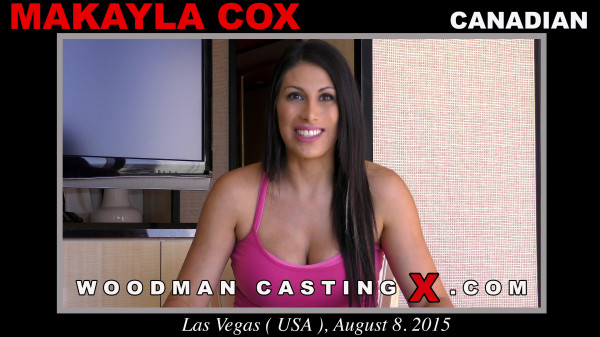

Visit Woodman Casting X and watch this scene!
A Desert Meeting of Stories: Makayla Cox Arrives in Las Vegas
The casting that brought Makayla Cox to Las Vegas on August 8, 2015, was not a routine appointment. For a movie and Native Americans blog, the significance lies not only in the professional opportunity, but in the convergence of place, identity, and narrative. Las Vegas, often portrayed as spectacle, sits on land layered with Indigenous histories—Southern Paiute pathways, desert knowledge, and a resilient sense of continuity. Makayla, whose Canadian roots included a deep respect for Native traditions and storytelling, felt that resonance immediately.
She arrived early at the modest studio where Pierre Woodman was conducting castings. The air-conditioning hummed against the desert heat, and the walls were bare except for a few framed stills from past projects.
Pierre looked up from his notes as she entered.
“Good morning, Makayla,” he said, extending his hand. “You came a long way for this.”
She smiled, steady and curious. “Good morning, Pierre. Long distances don’t scare me. In my family, journeys are how stories begin.”
That simple line caught his attention.
“Stories,” he repeated. “That’s interesting. Many actors talk about ambition. You talk about stories.”
Makayla sat, folding her hands calmly. “I was raised to listen first. In Native cultures across Canada, listening is how you earn the right to speak.”
Pierre leaned back, intrigued. “Then let’s listen to each other.”
The early conversation unfolded gently, more like an interview between equals than a traditional audition. Pierre asked about her background, her training, her reasons for acting.
“I act because it’s a way of remembering,” Makayla explained. “Every role carries echoes of people who came before us.”
Pierre nodded. “Cinema can do that—if the actor understands weight. Do you feel weight when you perform?”
“All the time,” she replied. “But it’s a good weight. Like carrying water across the desert. You respect every drop.”
- erik everhard and john strong gave it everything they got and that gaper kept on ticking! (Joachim Kessef, Erik Everhard, Thomas Lee, Vera Delight, Makayla Cox, John Strong Two)
- makayla cox s phat ass slut craves brutal buttsex wrecking till her rosebud gapes and drips cum (Erik Everhard, John Strong, Makayla Cox)
- makayla cox enjoys spreading her legs for two men (Nick Manning, Makayla Cox, Talon Valenti)
Dialogue, Identity, and Direction: Inside the Casting Conversation
As the casting progressed, dialogue became the core of the meeting. Pierre was known for pushing actors to reveal not just technique, but inner presence. With Makayla, he shifted his approach, sensing something quieter and deeper.
“Tell me,” he said, “how do you prepare for a role that isn’t written yet?”
Makayla considered the question. “I imagine where the character comes from. What land shaped them. Land teaches behavior.”
Pierre smiled. “You speak like a filmmaker.”
“Or like someone whose ancestors didn’t separate land from identity,” she answered.
He leaned forward. “In Europe, we often forget that. Cinema becomes artificial.”
Makayla met his gaze. “Then maybe this is a chance to remember.”
They moved into a short improvised scene. Pierre gave minimal direction.
“Walk to the window,” he said. “Look outside. Tell me what you see, but don’t describe the city.”
Makayla stood, gazing at the strip of desert visible beyond concrete.
“I see patience,” she said softly. “I see land that waits without asking.”
Pierre raised an eyebrow. “And what does the land think of us?”
She turned back. “That we talk too much.”
He laughed quietly. “That might be the most honest line I’ve heard today.”
Their exchange continued, layered with pauses and thoughtful silences.
Pierre asked, “Do you think your heritage changes how audiences see you?”
Makayla replied, “I hope it changes how they listen.”
“Explain.”
“If they sense there’s more behind my words, maybe they’ll slow down.”
Pierre nodded. “Cinema needs slowing down.”
As the conversation deepened, it became clear this casting was less about fitting a mold and more about opening a door. Makayla wasn’t performing for approval; she was offering perspective.
At one point, Pierre said, “Some directors look for fire.”
Makayla answered, “Some cultures teach us to respect fire, not chase it.”
He paused, then said, “That’s exactly why I wanted to meet you.”
From Casting Room to Cultural Echo: Why This Moment Still Matters
When the casting session concluded, there was no dramatic handshake or instant contract. Instead, there was mutual recognition—a sense that something meaningful had been shared.
Pierre gathered his notes. “Makayla, whatever happens next, this conversation will stay with me.”
She smiled. “That’s enough for today.”
As she prepared to leave, Pierre added, “Las Vegas is an unusual place for a beginning, don’t you think?”
Makayla looked toward the door, where sunlight spilled in. “Beginnings often happen where people least expect them. The desert teaches that.”
For a blog dedicated to movies and Native American perspectives, this casting stands out because it illustrates how Indigenous ways of seeing can quietly influence global cinema. Makayla Cox brought more than talent to that Las Vegas room—she brought a worldview shaped by respect, listening, and continuity.
In the years since, the memory of that August day endures as a reminder that casting is not merely selection; it is encounter. It is a meeting of histories, intentions, and futures. Pierre Woodman, known for his directorial intensity, found in Makayla a different kind of strength—one rooted in stillness rather than spectacle.
As Makayla later reflected in a follow-up conversation:
“Casting rooms can feel like tests. That one felt like a conversation around a fire that’s been burning for generations.”
Pierre, when asked about it, summed it up simply:
“Some actors perform roles. Others bring worlds. Makayla brought a world.”
And in Las Vegas, on land rich with Native memory beneath its modern glare, that world briefly opened—quiet, grounded, and unforgettable.
Download complete video at Woodman Casting X