Lina Adley Casting in Budapest: Pierre Woodman Meets the Ukrainian Actress
Written by PornGPT
On February 4, 2019, Ukrainian actress Lina Adley arrived in Budapest for a casting session with French director Pierre Woodman. What followed was a long, revealing conversation about confidence, ambition, cinema, travel and the realities of appearing in front of a professional camera.
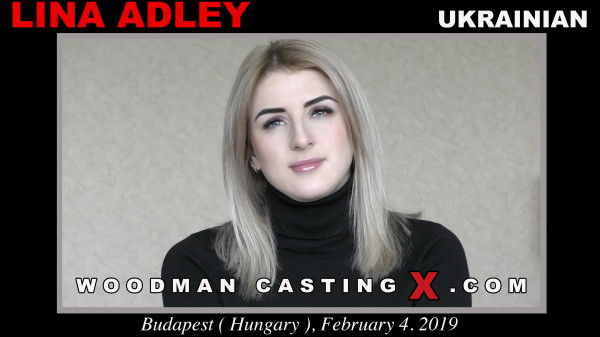

Visit Woodman Casting X and watch this scene!
Lina Adley Arrives for Her Budapest Casting on February 4, 2019
Budapest had already become one of Pierre Woodman’s most familiar European working locations by the beginning of 2019. The Hungarian capital offered him a constant flow of new faces, established performers and aspiring actresses coming from across Central and Eastern Europe. On February 4, another young woman entered the room and took her place in front of his camera: Ukrainian actress Lina Adley.
There was nothing particularly theatrical about the first few moments. Lina entered carrying a small bag, looked briefly around the room and then smiled toward Woodman.
“Hello,” she said.
“Hello. Lina?”
“Yes, Lina.”
“Welcome to Budapest.”
“Thank you.”
“First time here?”
“No. But I still get lost.”
Woodman laughed.
“That means you are officially a visitor. People who live here also get lost.”
“That makes me feel better.”
The exchange immediately gave the meeting a relaxed rhythm. Instead of beginning with a long formal introduction, Woodman asked simple questions, allowing Lina to become comfortable with the camera and the unfamiliar environment.
“So you came from Ukraine?”
“Yes.”
“Which part?”
“I have been moving around a lot recently.”
“You like travelling?”
“I like arriving. I don’t always like airports.”
“That is a very good distinction.”
Lina smiled again.
“I think everybody likes the destination more than the airport.”
The atmosphere was conversational rather than hurried. Woodman had conducted an enormous number of casting interviews over the years, and part of his method was allowing personalities to emerge gradually rather than forcing an immediate performance.
He adjusted the framing of the camera.
“Sit naturally,” he told her. “Forget the camera for a moment.”
“That is difficult when it is directly in front of me.”
“You will forget it.”
“You promise?”
“No. But I have experience.”
That answer made Lina laugh.
She appeared slightly reserved during the first minutes, although not uncomfortable. Her answers were concise, and she occasionally paused before speaking, as if considering how much she wanted to reveal.
Woodman noticed it.
“You think before every answer.”
“Is that bad?”
“No. Interesting.”
“I don’t want to say something stupid.”
“Sometimes the stupid answers are the best ones.”
“Then maybe I should stop thinking.”
“That would make my job easier.”
Their conversation moved toward Lina’s reasons for entering the entertainment industry.
“Why did you decide to work in front of cameras?” Woodman asked.
“I was curious.”
“Only curiosity?”
“Curiosity first. Then I realized I liked the freedom.”
“What kind of freedom?”
“Meeting people. Travelling. Not doing the same thing every day.”
“So routine is your enemy?”
“Yes. Definitely.”
“You could never work in an office?”
“I could.”
“For how long?”
“Maybe three days.”
Woodman laughed.
“Three days is not a career.”
“It would be a very short career.”
Lina’s playful answers gradually became more spontaneous. The guarded expression visible at the beginning of the meeting slowly disappeared.
The mood recalled the Budapest casting of Russian actress Milana Romanova on September 24, 2018, when another apparently reserved newcomer gradually became more relaxed as the interview developed.
But Lina had her own energy. Rather than becoming increasingly talkative, she remained selective with her words, often answering Woodman with brief statements followed by an amused smile.
“What are you afraid of?” he asked.
“Generally?”
“Yes.”
“Boring people.”
“That is your biggest fear?”
“No, but it is the safest answer.”
“Now you are becoming diplomatic.”
“Maybe I should work in politics.”
“You said you cannot survive three days in an office.”
“Then politics is impossible.”
By this point the formal feeling of a casting interview had largely vanished.
Pierre Woodman Questions Lina Adley About Confidence and Working on Camera
As the interview continued, Woodman moved toward questions about confidence, experience and the strange psychological transition that happens when someone goes from ordinary conversation to being watched through a lens.
“Are you nervous now?” he asked.
“Less than ten minutes ago.”
“How nervous were you ten minutes ago?”
Lina held her hands apart.
“This much.”
“And now?”
She moved them closer together.
“This much.”
“So progress.”
“Yes.”
“What changed?”
“I understood you are normal.”
Woodman raised an eyebrow.
“That was not guaranteed?”
“I didn’t know.”
“Very reassuring.”
“You asked for honesty.”
“I did.”
The camera continued recording.
For Lina, confidence seemed to come from conversation rather than posing. Every time the discussion became more natural, her body language relaxed.
Woodman asked her what she considered important when working with a director.
“Communication,” Lina replied immediately.
“Why?”
“Because if nobody explains anything, people become nervous.”
“You want precise instructions?”
“Yes, but not every second.”
“So some freedom.”
“Exactly.”
“If I say, ‘Do whatever you want,’ is that freedom?”
“That is too much freedom.”
Woodman laughed.
“So you want controlled freedom.”
“Yes. That sounds perfect.”
The discussion revealed an important aspect of Lina’s personality. She did not appear interested in pretending to be completely fearless. Instead, she openly acknowledged that unfamiliar situations could make her cautious.
“Some people come here and tell me they are never nervous,” Woodman said.
“I don’t believe them.”
“Why?”
“Everybody is nervous sometimes.”
“Even experienced performers?”
“Of course.”
“What makes you nervous?”
“When I don’t know what happens next.”
“That is interesting, because movie sets are full of moments when nobody knows what happens next.”
“Then maybe I chose the wrong profession.”
“You discovered it a little late.”
“Maybe.”
Another laugh.
Woodman then asked Lina how she dealt with criticism.
“Depends who says it.”
“Suppose I say something is not working.”
“That is your job.”
“And if somebody writes something negative about you?”
“I try not to read everything.”
“Good strategy.”
“Sometimes I still read.”
“And then?”
“Sometimes I regret reading.”
The response felt particularly contemporary. By 2019, performers were increasingly aware that a professional identity existed not only on film but across social media, websites and online communities.
“Internet comments can be strange,” Woodman said.
“Very strange.”
“Do you answer?”
“No.”
“Never?”
“Almost never.”
“Very wise.”
“I learned.”
The conversation then turned toward ambition.
“Where do you see yourself in five years?” Woodman asked.
Lina laughed.
“I hate this question.”
“Everybody hates this question.”
“Then why ask it?”
“Because everybody hates it.”
“That is cruel.”
“It is tradition.”
Lina considered the question.
“I want to be comfortable.”
“With money?”
“With myself.”
Woodman paused briefly.
“That is a better answer.”
“I told you I think before answering.”
“Now I understand why.”
Lina explained that she did not have a rigid professional plan. She preferred opportunities that allowed her to travel and work with different people instead of following one predetermined path.
“Some people want one very specific career,” she said. “I don’t know if I am like that.”
“You change your mind?”
“Yes.”
“Often?”
“Very often.”
“That can be good.”
“Or terrible.”
“Usually both.”
The exchange showed the difference between a traditional audition, where candidates attempt to present a polished professional persona, and Woodman’s conversational casting format. He appeared less interested in rehearsed answers than in reactions.
The atmosphere was also reminiscent of Susana Melo’s Budapest casting from March 9, 2014, where an extended conversation revealed more about the performer’s personality than any conventional list of biographical facts could have done.
Lina, however, seemed determined not to exaggerate her own story.
“Tell me something surprising about you,” Woodman said.
“I make very good pancakes.”
“That is surprising?”
“You have not tasted them.”
“Fair point.”
“What did you expect?”
“I don’t know. Something dramatic.”
“No drama.”
“You have no dramatic secret?”
“Maybe. But I am not telling you.”
“So there is one.”
“I didn’t say that.”
“You almost did.”
“No.”
“Very suspicious.”
Lina laughed.
The relaxed rhythm continued.
Lina Adley’s Personality Emerges During the Final Stage of the Casting
By the final part of the meeting, Lina appeared significantly more comfortable than she had when she first entered the room.
Woodman pointed it out.
“You are different now.”
“How?”
“More relaxed.”
“Because we have been talking a long time.”
“So the camera disappeared?”
“No.”
“You still notice it?”
“Of course.”
“But you stopped looking at it.”
Lina glanced directly toward the lens.
“Now I am looking.”
“You ruined my observation.”
“Sorry.”
“That was deliberate.”
“Maybe.”
The conversation moved toward relationships with colleagues and what Lina expected from people working around her.
“What makes a good professional?” Woodman asked.
“Being respectful.”
“Anything else?”
“Being on time.”
“Very important.”
“I hate waiting.”
“How late is too late?”
“Ten minutes.”
“Very strict.”
“If somebody writes and says they are late, okay.”
“So communication again.”
“Yes.”
“It keeps returning.”
“Because it is important.”
Woodman asked whether she found it easy to trust people.
“No.”
“Why?”
“That is another dangerous question.”
“You can refuse.”
“I know.”
She paused.
“I think trust takes time.”
“That is normal.”
“Some people trust immediately.”
“You don’t?”
“No.”
“But you travelled here for a casting with someone you had never met.”
“That is work.”
“So professional trust is different?”
“Yes.”
“How?”
“You can check information. You can ask other people. Personal trust is different.”
It was one of the more thoughtful moments of the interview.
Lina’s answers suggested someone aware of the importance of boundaries between professional interactions and private life.
Woodman shifted the discussion again.
“What do you do when you are not working?”
“Sleep.”
“That is your hobby?”
“Very serious hobby.”
“Anything more active?”
“Walking. Music. Friends.”
“What music?”
“Everything.”
“That means nothing.”
“I know.”
“Give me one style.”
“Electronic music.”
“Better.”
“But tomorrow maybe something completely different.”
“So even your music has no routine.”
“Exactly.”
The final stretch became increasingly lighthearted.
“Do you cook?”
“Yes.”
“Besides the famous pancakes?”
“Yes.”
“What is your best dish?”
“I should not tell you.”
“Why?”
“Because then you will ask me to cook.”
“I was not planning to.”
“Now you are.”
“Maybe.”
She laughed.
Woodman returned to the subject of the casting itself.
“If you could restart today from when you entered the room, would you do anything differently?”
“Yes.”
“What?”
“I would be less nervous.”
“But you did not know what would happen.”
“Exactly.”
“So you could not have been less nervous.”
“I could pretend.”
“Would that be better?”
“No.”
“Then you would change nothing.”
Lina paused.
“That sounds philosophical.”
“It is five minutes before lunch. I become philosophical when I am hungry.”
“Then we should finish quickly.”
They both laughed.
The casting had evolved into exactly the kind of conversational portrait Woodman frequently aimed to create. What began with short, cautious replies eventually revealed humor, independence and a pragmatic view of working in the entertainment industry.
Before ending, Woodman asked one final question.
“Did today match what you expected?”
“No.”
“Better or worse?”
Lina smiled.
“Different.”
“That is diplomatic again.”
“Okay. Better.”
“Now I believe you.”
“You should trust people more.”
“Five minutes ago you told me trust takes time.”
“Maybe you learn quickly.”
Woodman smiled and reached toward the camera controls.
“Thank you, Lina.”
“Thank you.”
“Still nervous?”
“No.”
“Then my work is finished.”
Lina looked toward the camera one last time.
“Now I know what happens next.”
“What?”
“Lunch.”
“That is correct.”
The camera stopped.
The February 4, 2019 Budapest casting ultimately presented Lina Adley less as a carefully constructed screen personality than as a young performer navigating a new professional encounter in real time. Her initial caution, dry humor and increasingly confident answers created the natural progression that makes long-form casting interviews interesting beyond their immediate purpose.
For viewers interested in the people behind filmed performances, sessions like this function as small time capsules. Hairstyles, attitudes and industry expectations may change, but the uncertainty of entering a casting room for the first time remains remarkably constant.
Lina Adley arrived unsure about what to expect. Over the course of the conversation, that uncertainty gradually became curiosity, then humor, and finally familiarity.
Perhaps the most revealing line came almost accidentally when Woodman asked what she ultimately wanted from the future.
“To be comfortable,” she had answered.
Not simply successful, famous or constantly working.
Comfortable with herself.
For a casting conversation built around discovering personality, it was a surprisingly concise summary of the woman sitting in front of the camera that day in Budapest.
Download complete video at Woodman Casting X