Betsy – BTS – Shy Look Does Not Mean All | Behind-the-Scenes Review of a Surprising Production
Written by PornGPT
At first glance, Belgian newcomer Betsy appears reserved, quiet, and almost intimidated by the cameras surrounding her. Yet “Betsy – BTS – Shy Look Does Not Mean All” quickly reveals a completely different story. This fictional behind-the-scenes production offers viewers a fascinating look at the transformation of a seemingly timid performer into a confident presence on set. Guided by veteran French director Pierre Woodman, the video focuses on personality, professionalism, and the unpredictable moments that make documentary-style filmmaking so engaging.
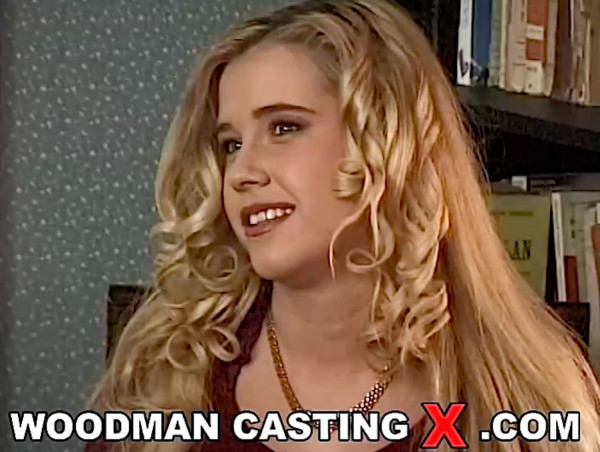
Visit Woodman Casting X and watch this scene!
The First Impression: A Quiet Arrival That Changes Everything
One of the most interesting aspects of “Betsy – BTS – Shy Look Does Not Mean All” is how effectively it plays with first impressions. The film opens in a modest Budapest studio where the production team is preparing equipment for the day. Technicians adjust lights, cameras are tested, and conversations echo softly throughout the building.
Then Betsy arrives.
Dressed casually and carrying herself with an almost hesitant demeanor, she immediately appears different from many aspiring performers who often arrive eager to command attention. Instead, Betsy seems content to observe her surroundings before speaking.
Pierre Woodman notices this immediately.
“Good morning, Betsy,” he says with a smile.
“Good morning,” she replies quietly.
“You seem nervous.”
“A little bit.”
“That is normal.”
“I hope so.”
Woodman laughs.
“It would be strange if you weren’t.”
The exchange sets the tone for the entire production.
What follows is not a story about a performer overcoming fear through dramatic confrontation. Instead, it becomes a gradual and realistic exploration of trust and confidence.
The camera frequently captures small moments between takes.
“Have you worked in front of cameras before?” asks Woodman.
“A few times.”
“And how did it go?”
“I don’t know.”
“You don’t know?”
“I think it was okay.”
“You think?”
Betsy smiles.
“I always think I can do better.”
That simple statement immediately changes the audience’s perception of her.
She is not shy because she lacks confidence. She is shy because she is thoughtful.
Throughout the first section, viewers watch as the director patiently encourages conversation.
“What do you want people to know about you?” he asks.
“That appearances can be misleading.”
“Interesting.”
“People often think I’m scared.”
“And are they wrong?”
“Sometimes.”
The title of the production suddenly makes perfect sense.
The documentary-style approach allows these conversations to feel authentic rather than scripted. Instead of rushing toward dramatic moments, the film lets personalities develop naturally.
By the end of the first act, Betsy has become noticeably more relaxed.
Her answers become longer.
Her smiles become more frequent.
Her posture changes.
The transformation is subtle but fascinating.
Pierre Woodman’s Directing Style Creates an Atmosphere of Trust
The strongest element of the production is undoubtedly the interaction between director and performer.
Rather than presenting himself as an authoritarian figure, Pierre Woodman appears here as a patient observer attempting to understand the person standing in front of his camera.
Several extended conversations become highlights of the film.
“At what point did you decide to come here?” he asks.
“About three months ago.”
“What made you decide?”
“I wanted to challenge myself.”
“Challenge yourself?”
“Yes.”
“How?”
“I’ve always been comfortable staying in my comfort zone.”
“And now?”
“Now I want to see what happens outside of it.”
“That’s a dangerous thing.”
“Why?”
“Because sometimes you discover you’re capable of much more than you expected.”
Betsy laughs.
“Maybe that’s exactly what I’m looking for.”
The scene is surprisingly engaging because it focuses on motivation rather than spectacle.
Another memorable sequence occurs during a break between setups.
Woodman sits beside Betsy while crew members adjust lighting in the background.
“What’s the biggest misconception people have about you?”
“That I’m fragile.”
“And are you?”
“No.”
“You seem very certain.”
“I’ve had to be.”
“Why?”
“Life doesn’t give you many alternatives.”
The director pauses.
“That sounds like a story.”
“Maybe one day.”
“Not today?”
“Not today.”
Moments like these give the production an almost documentary quality.
The crew is occasionally visible.
Microphones appear in frame.
Background conversations can be heard.
Nothing feels overly polished.
The imperfections actually make the experience more believable.
As filming continues, Betsy’s confidence becomes increasingly apparent.
At one point Woodman jokingly says:
“You were much quieter this morning.”
“Maybe I was studying everyone.”
“Studying us?”
“Yes.”
“And what did you learn?”
“That you’re all less intimidating than you look.”
The entire crew bursts into laughter.
Another crew member jokes:
“Pierre will be disappointed to hear that.”
“Exactly,” Betsy replies.
The spontaneous humor works extremely well because it develops naturally from the interactions rather than feeling forced.
By the middle section of the production, the original image of a shy newcomer has almost completely disappeared.
What remains is a witty, intelligent young woman who simply needed time to become comfortable.
Why “Shy Look Does Not Mean All” Successfully Captures Personality
The final portion of the film focuses less on introductions and more on reflection.
By now, viewers feel as though they know Betsy.
The production wisely takes advantage of this by allowing deeper conversations to emerge.
Near the end of filming, Woodman asks a question that serves as the thematic centerpiece of the entire project.
“If people watch this video, what do you hope they remember?”
Betsy thinks carefully before answering.
“I hope they remember that confidence doesn’t always look loud.”
The director nods.
“That’s a good answer.”
“I spent years thinking confident people were the ones who spoke the most.”
“And now?”
“Now I think confidence is being comfortable with who you are.”
Several minutes later, another exchange reinforces that idea.
“Were you nervous when you arrived?”
“Yes.”
“Are you nervous now?”
“Not really.”
“What changed?”
“Nothing.”
“Nothing?”
“I was always the same person.”
“Then why do you seem different?”
“Because now you know me.”
The simplicity of that observation perfectly summarizes the entire production.
Many behind-the-scenes films rely heavily on dramatic situations or exaggerated personalities. “Betsy – BTS – Shy Look Does Not Mean All” succeeds because it does the opposite.
Its central story is built around observation.
The audience watches assumptions slowly disappear.
The camera becomes a tool for discovery rather than exposure.
Toward the conclusion, Woodman asks one final question.
“If we filmed another interview next year, what would be different?”
Betsy smiles.
“I would probably talk too much.”
“I don’t believe that.”
“You should.”
“I think you’ll still make me ask all the questions.”
“Probably.”
“And you’ll still answer carefully.”
“Definitely.”
The two laugh together.
It is a small moment, but it captures the relationship that has developed throughout the day.
The production ends not with a grand finale but with a sense of completion. The audience has witnessed a genuine journey from uncertainty to familiarity.
What initially appears to be a simple behind-the-scenes feature ultimately becomes a thoughtful character study.
Betsy emerges as intelligent, self-aware, and quietly determined. Pierre Woodman serves as an effective guide, asking the right questions while allowing the subject space to reveal herself naturally.
For viewers who enjoy documentary-style filmmaking and personality-driven productions, “Betsy – BTS – Shy Look Does Not Mean All” offers an engaging and surprisingly insightful experience. Its greatest achievement is proving that first impressions are rarely the full story.
By the time the credits roll, the title feels less like a description and more like a lesson: a shy look does not mean all, and sometimes the most interesting people are the ones who take a little longer to reveal who they really are.
Download complete video at Woodman Casting X